CEMAC Central Bank Raises Weekly Liquidity to Record CFA850 Billion After Banks’ Borrowing Surge
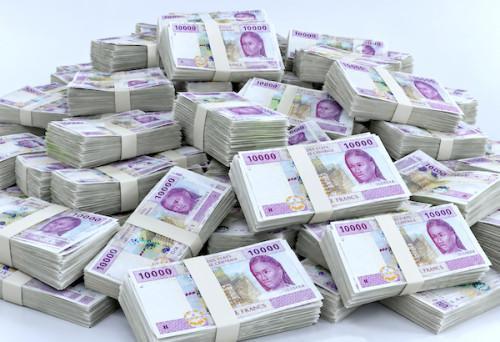

The Bank of Central African States (BEAC) has raised its weekly liquidity offer to commercial banks to a record CFA850 billion after weeks of exceptionally strong demand for central bank funding across the six-country Central African Economic and Monetary Community (CEMAC).
During its September 22, 2026 liquidity injection, the central bank offered CFA850 billion to lenders, the highest amount since these operations began. The BEAC serves Cameroon, Congo, Gabon, Equatorial Guinea, Chad and the Central African Republic.
Commercial banks ultimately took CFA748.2 billion, equivalent to a subscription rate of just over 88%. That marked the first time since the beginning of September that demand fell short of the amount offered by the central bank. On September 1, 8 and 15, subscription rates reached 100.7%, 100.8% and 112.9%, respectively, even though the BEAC offered as much as CFA800 billion in each operation.
The repeated oversubscription helps explain why the central bank increased its offer to CFA850 billion on September 22.
Liquidity Demand Remains Strong
The latest decline in the subscription rate does not necessarily signal that banks’ demand for liquidity has run out of steam. Over the previous three weeks, CEMAC banks had already mobilized CFA2.4 trillion from the central bank. And although they did not take the full CFA850 billion offered on September 22, the CFA748.2 billion they borrowed still represents stronger demand than levels recorded over the previous five years.
Part of the increase could reflect stronger demand for bank credit across the region. The current period coincides with the start of the school and academic year, when banks typically extend education-related loans.
Lower Interest Rates Make BEAC Funding Cheaper
Banks could also be raising funds to increase investments, particularly in government securities.
Commercial banks have for years been the main holders of government securities issued by CEMAC countries on the regional Treasury securities market operated by the BEAC.
More importantly, the rise in demand for central bank liquidity follows a decision by the BEAC’s Monetary Policy Committee to cut its two main policy rates effective June 29, 2026.
The interest rate on tenders was reduced from 4.75% to 4.50%, while the marginal lending facility rate fell from 6.25% to 5.75%. Those cuts reduced the cost at which commercial banks can obtain funding from the central bank.
The BEAC says the easier refinancing conditions are intended to improve financing for CEMAC economies. In theory, cheaper central bank funding should help reduce the interest rates commercial banks charge their customers. But the surge in demand for BEAC liquidity does not yet show that the strategy is delivering more financing to the real economy.
The next data on lending rates and new loan volumes will be needed to determine whether banks are channeling the additional, cheaper liquidity into more credit for businesses and households — or whether much of it is flowing elsewhere, including into government securities.