Malawi: Northern Traders Draw a Line - Shops Shut, Street Protests Loom As Eis Standoff Escalates
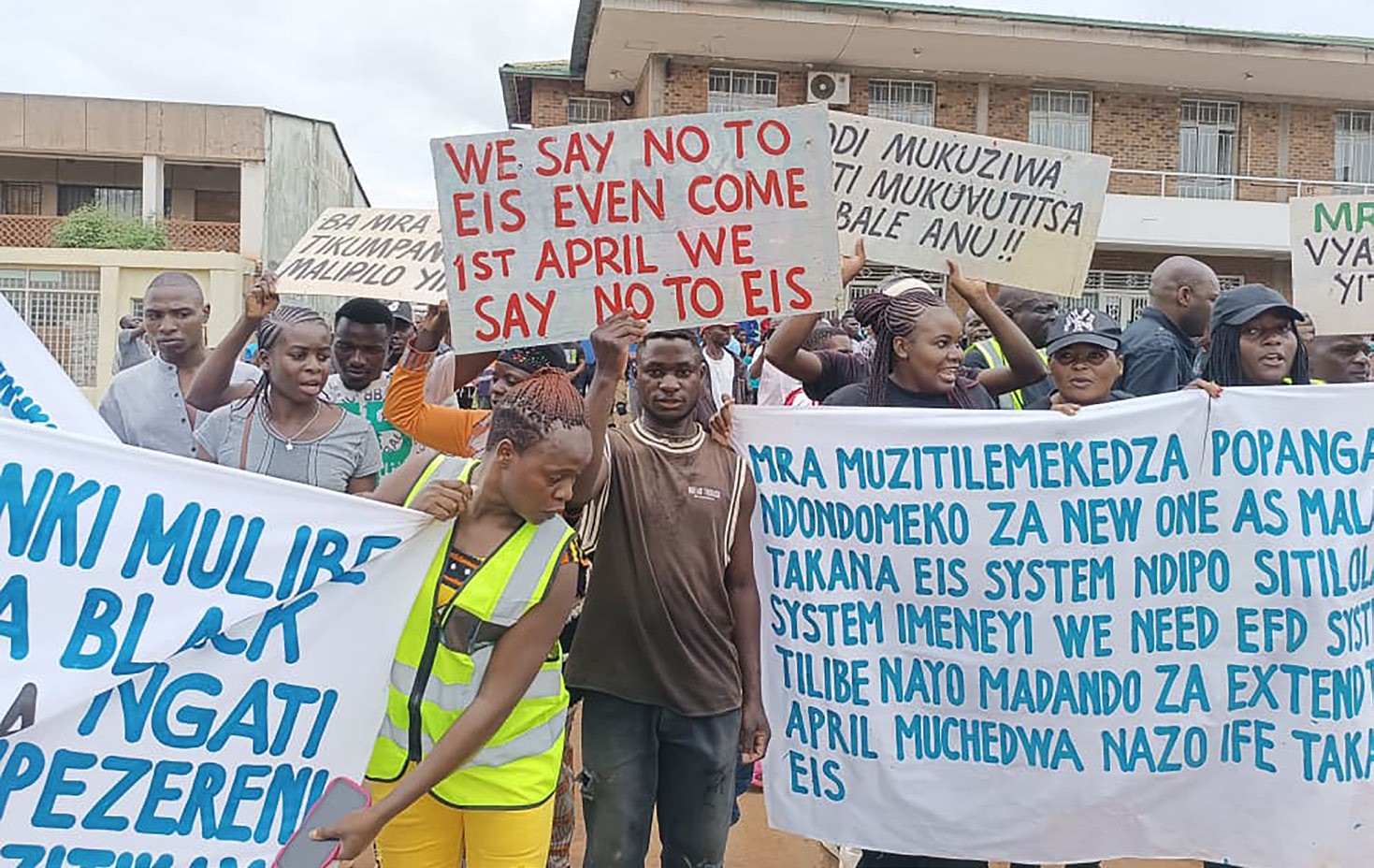

The standoff between business operators and tax authorities has sharply escalated, with the Northern Region Business Association warning of street protests and prolonged shop closures if the government refuses to suspend the controversial Electronic Invoicing System (EIS).
In a hardening position, the grouping has accused the Malawi Revenue Authority (MRA) of bulldozing through a major tax reform without adequate consultation, despite repeated engagements and warnings from the business community.
Chairperson Chembe Kasambara said the rollout of the system has already triggered serious operational strain, arguing that authorities ignored practical realities on the ground.
"They went ahead with implementation despite our concerns. This system is already affecting businesses negatively," Kasambara told Zodiak Online, making it clear that patience within the sector is rapidly running out.
At the centre of the dispute are deep structural frustrations, including persistent foreign exchange shortages and the complexities surrounding transactions conducted in US dollars--issues traders say make compliance with EIS not just difficult, but in some cases unrealistic.
Kasambara warned that the situation is now at a breaking point.
Shops, he said, will remain closed, choking supply chains and disrupting economic activity, and if no resolution is reached by Tuesday, traders will take to the streets on Wednesday in what could become one of the most visible business protests in recent years.
The warning signals a dangerous escalation from quiet resistance to open confrontation--one that risks spilling into wider economic instability.
On the other side, MRA Commissioner General Felix Tambulasi has struck a firm tone, insisting that the Electronic Invoicing System is neither new nor negotiable, and urging businesses to seek assistance from MRA officers if they are facing technical difficulties.
But that response appears to have done little to calm tensions.
For traders, the issue is no longer just about technology--it is about trust, timing, and survival in an already fragile economic environment marked by forex scarcity, rising costs, and shrinking margins.
As both sides dig in, Malawi now stands on the edge of a broader economic confrontation, where closed shops, threatened protests, and hardened positions are converging into a high-stakes test of whether dialogue can still prevail over disruption.