Morocco Proposes Major Tax Exemptions for FIFA Ahead of 2030 World Cup
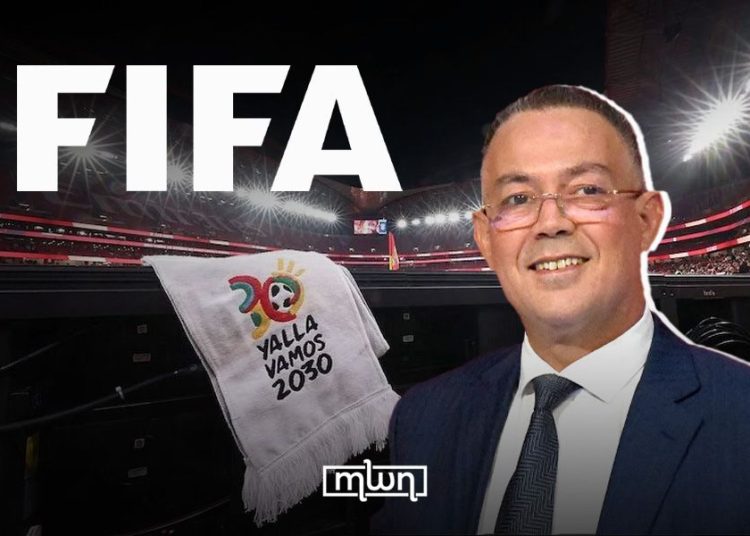

Morocco’s proposed 2027 Finance Bill includes a series of tax and customs exemptions for FIFA and organizations involved in hosting the 2030 FIFA World Cup, which the North African country will co-host with Spain and Portugal.
The measures aim to meet Morocco’s financial and legal commitments to FIFA ahead of the tournament by introducing a special tax framework for competition-related activities.
According to the draft legislation published by the Ministry of Economy, Finance and Public Performance, the exemptions would benefit FIFA, its subsidiaries, the Royal Moroccan Football Federation (FRMF), host associations and other organizations involved in the tournament.
The proposed benefits include exemptions from corporate income tax, the social solidarity contribution on profits and income, value-added tax (VAT), certain withholding taxes and registration fees.
Tax exemptions for World Cup organizers and participants
The legislation also proposes temporary customs exemptions for equipment and goods imported into Morocco for the tournament and related events.
These measures would apply to eligible organizations, including FIFA’s official broadcaster, service providers and contractors, subject to the conditions outlined in the bill.
Certain individuals involved in organizing the competition would also benefit from temporary income tax exemptions.
These include personnel assigned to Morocco for the tournament, match officials, volunteers assisting with preparations, and non-resident players receiving salaries, prizes or bonuses linked to the competition.
The proposal also includes VAT exemptions on tickets sold for World Cup matches and related events when the transactions are carried out by or on behalf of eligible organizations.
Additional tax benefits cover advertising-related stamp duties, vehicle taxes, insurance contract taxes and certain aviation-related charges.
The exemptions would begin in January 2027 if the legislation is approved, with some extending until December 31, 2032, depending on the beneficiaries and activities concerned.
World Cup Legacy Fund to receive permanent exemptions
The Finance Bill also addresses a proposed World Cup Legacy Fund, intended to support long-term social and sporting development after the tournament.
The fund would help finance initiatives involving sports infrastructure, youth and women’s football, environmental protection and child welfare.
Unlike the temporary exemptions proposed for FIFA and tournament partners, the fund would benefit from permanent exemptions from taxes and duties covered by Morocco’s General Tax Code.
These would include corporate income tax, VAT, registration and stamp duties, alongside customs benefits for eligible imports.
The legislation also proposes simplified electronic procedures for organizations seeking tax exemptions or refunds.
The measures form part of Morocco’s preparations for the 2030 World Cup, with the draft Finance Bill still subject to parliamentary examination and approval.