Rwanda Expands Coffee Sector with Millions of New Trees, Driving Export Growth and Farmer Incomes
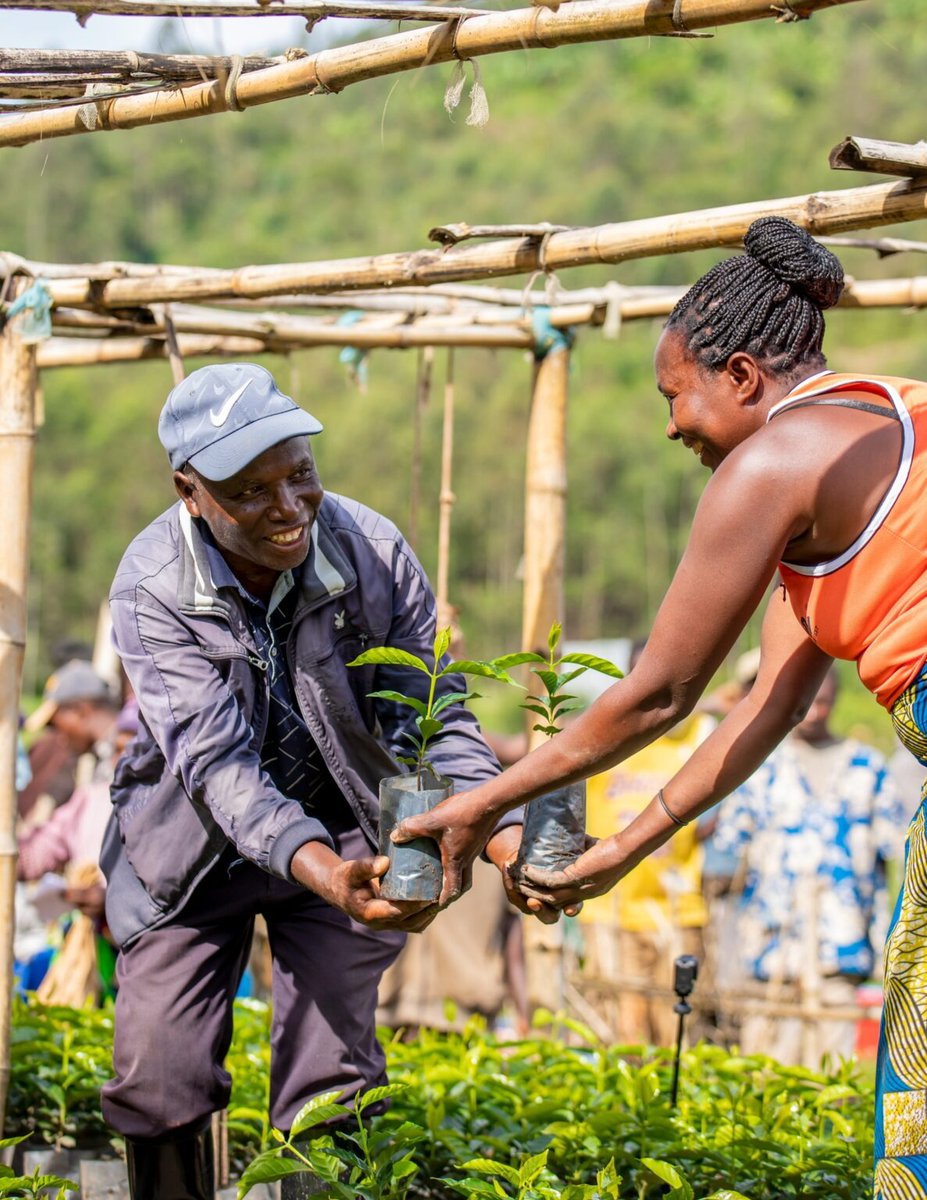

Rwanda is increasing its commitment to coffee as a key element of its export-based economic development plan through an extensive coffee tree planting initiative which will distribute millions of new coffee trees throughout the nation during the next several years. The National Agricultural Export Development Board (NAEB) plans to plant 2.75 million coffee trees through the Promoting Smallholder Agro-Export Competitiveness (PASAC) project to enhance smallholder farmers capacity for producing high-value export crops such as coffee and tea and fruits.
The 2026 A cropping season will see planting operations across 1,102 hectares in main coffee-producing areas which include Nyamasheke Rusizi Karongi Huye Nyamagabe and Ruhango. The officials developed this targeted method to achieve dual goals which include increasing productivity in areas with high agro-ecological potential and providing direct support to rural communities.
The plan extends beyond its current boundaries.
The NAEB has set a permanent objective to plant 9 million coffee trees throughout 3050 hectares by the year 2029 which will lead to significant national production growth while improving Rwanda's status in the international coffee industry.
The expansion occurs because Rwanda has already achieved outstanding coffee export growth. In 2025, coffee export revenues climbed to more than Rwf 216 billion, up sharply from Rwf 129 billion in 2024. Export volumes rose to 23,860 tons, which represents a 39 percent increase in volume from 17,142 tons the previous year, and the export earnings increased by 65 percent.
Coffee serves as more than a crop for Rwandan agriculture. The crop serves as one of the country’s most essential cash exports, which generates vital foreign exchange while providing support to thousands of smallholder farmers. Government officials see the PASAC expansion as a way to lock in those gains while preparing the sector for long-term, sustainable growth.
The project will lead to higher farmer incomes and stronger rural economies because it increases tree density while boosting productivity and expanding export-oriented value chains to more farmers. Rwanda will become a dependable source of premium coffee through this development.
Rwanda intends to establish itself as a competitor in the specialty and sustainably produced coffee market, which is growing worldwide. The country plans to achieve this goal through volume expansion and direct investments in its coffee farmers who drive one of its most important export industries.