BoU Holds CBR at 12% as Inflation Risks Mount
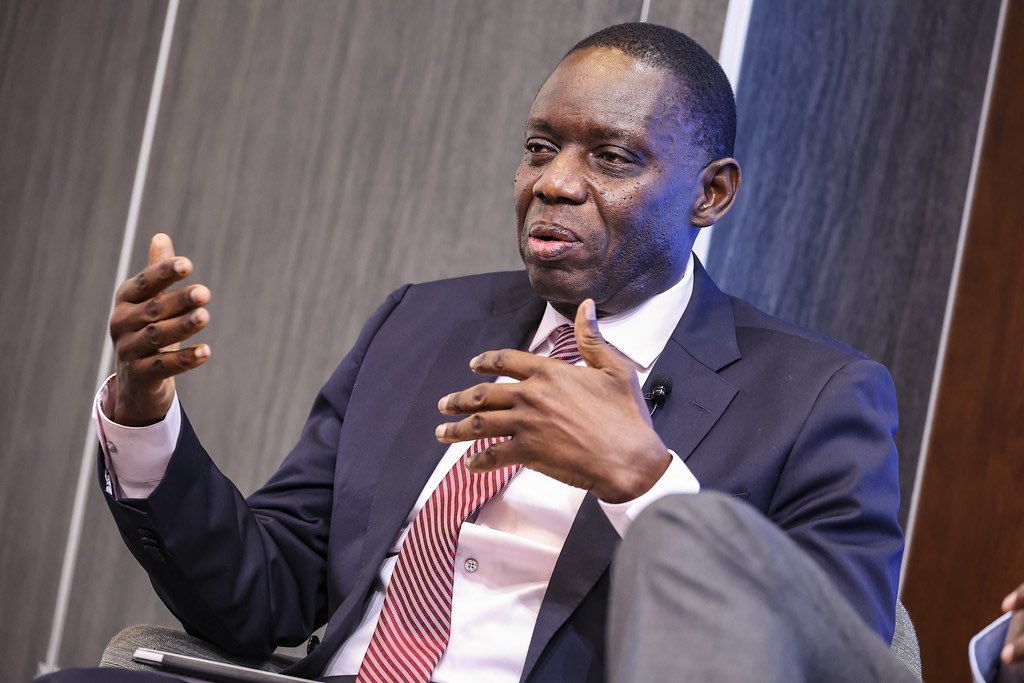

The Bank of Uganda (BoU) has maintained its Central Bank Rate (CBR) at 12%, retaining a tight monetary policy stance as rising energy prices, shilling depreciation and adverse weather conditions threaten to accelerate inflation.
Reading the November 2026 Monetary Policy Statement on Monday, November 9, Governor Michael Atingi-Ego said the Monetary Policy Committee had also widened the CBR corridor from plus or minus two to three percentage points to provide greater flexibility in managing liquidity conditions.
"The Bank adjusted the margins on the CBR for the rediscount and bank rates to four and five percentage points, respectively, pushing the rediscount rate to 16% and the bank rate to 17%," he said.
The decision follows an emergency monetary policy adjustment in October, when the Central Bank raised the CBR from 9.75% to 12% to contain mounting inflationary pressures and limit the impact of higher energy prices and exchange rate depreciation.
The latest decision comes amid worsening inflation, with headline inflation rising to 5.8% in October from 4.6% in September. Core inflation also increased to 4.4% from 3.7% over the same period, reflecting growing domestic price pressures.
Atingi-Ego said the inflation outlook had deteriorated since the previous monetary policy meeting, prompting an upward revision of forecasts.
"Over the next 12 months, core inflation is projected to average between 6% and 6.5%, while headline inflation is expected to range between 7.5% and 8%, above the medium-term target of 5%," he said.
BoU warned that further depreciation of the shilling, elevated international oil prices and adverse weather conditions could intensify domestic price pressures.
A weaker shilling makes imported goods, fuel and production inputs more expensive, while higher energy costs can feed into transport, manufacturing and food prices.
The Governor said the tight monetary policy stance was intended to secure medium-term macroeconomic stability, which he described as the bedrock of the government's Tenfold Growth Strategy.
He added that future monetary policy decisions would be guided by incoming economic data, the evolving inflation outlook and the balance of risks.
On the external front, developments in the Middle East remain important to Uganda's inflation outlook because of their implications for international oil prices.
There is also cautious optimism that changes in the geopolitical and diplomatic environment could ease some of the pressures on global energy markets, although the direction of oil prices will depend on developments in the conflict, supply conditions and international demand.
Meanwhile, Democrats' victory in the November 3 US midterm elections has given the party control of the Senate, although the new majority will take effect in January 2027. Any implications for US foreign policy and the Middle East remain uncertain.
For Uganda, sustained increases in international oil prices would compound the effects of shilling depreciation, potentially keeping inflation elevated and putting pressure on households and businesses.