Economic Confidence Climbs Among Youths as 68% See Country Moving in Right Direction, Survey Shows
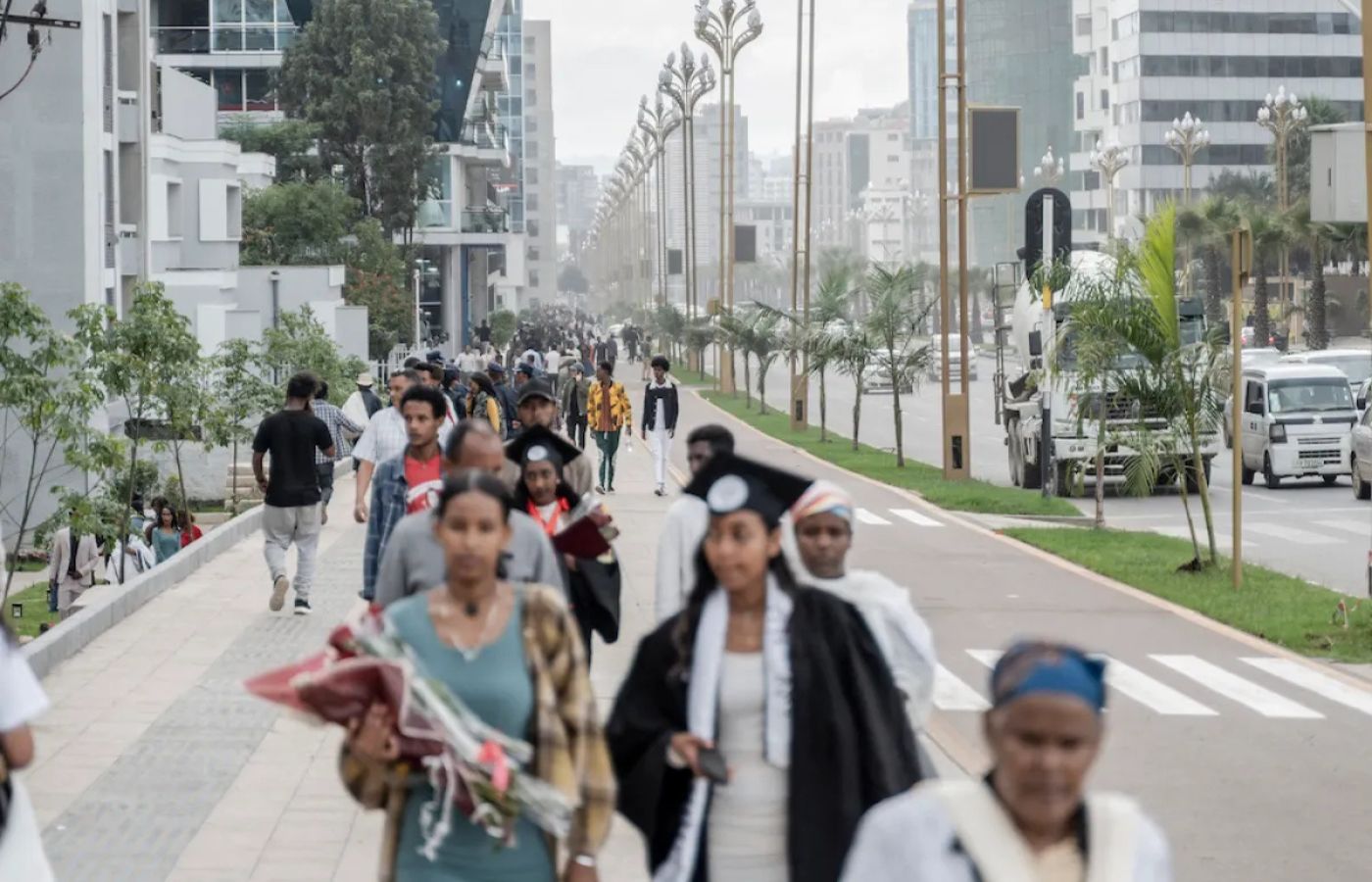

Confidence among Ethiopian youth in the country’s economic direction has increased sharply, with 68 percent saying the national economy is moving in the right direction, according to the African Youth Survey 2026.
The survey, commissioned by the Ichikowitz Family Foundation and conducted by PSB Insights, found that optimism among Ethiopian youth improved alongside a significant decline in concerns over employment opportunities.
The share of Ethiopian respondents expressing concern about a lack of employment opportunities fell to 22 percent in 2026 from 66 percent in 2024, a decline of 44 percentage points. The reduction was the largest among the eight countries included in every wave of the survey.
The survey, conducted in March 2026, interviewed 4,901 young Africans aged 18 to 24 across 16 countries to assess views on economic prospects, governance, social issues and Africa’s future.
Beyond economic sentiment, confidence in Ethiopia’s overall direction also increased. About 69 percent of Ethiopian youth said the country was moving in the right direction, compared with 25 percent in 2024. Nineteen percent said the country was moving in the wrong direction.
The improvement placed Ethiopia among the countries recording the largest gains in national confidence in the survey. Across the eight countries tracked in every survey wave, the proportion of young people who believed their countries were moving in the right direction increased from 30 percent in 2024 to 47 percent in 2026.
The survey also found that 71 percent of Ethiopian youth were optimistic or excited about the future of their country, placing Ethiopia among the five most confident countries alongside Rwanda, Burkina Faso, Somalia and Ghana.
Ivor Ichikowitz, founder and commissioner of the African Youth Survey, said Ethiopia recorded the strongest improvement in youth sentiment among the countries surveyed.
“Ethiopia is the comeback story of this survey. Job anxiety has fallen off a cliff, confidence has surged and more than two-thirds of young Ethiopians now believe the economy is moving in the right direction,” Ichikowitz said.
He added that improved confidence would need to translate into better economic outcomes for young people.
“Young Ethiopians cannot live on improving sentiment. They will expect jobs, rising incomes and opportunity they can see in their own lives,” he said.
Despite improved economic confidence, the survey found that cost-of-living pressures remain a major concern. About 41 percent of Ethiopian youth identified rising living costs as the event or development that has had the biggest impact on Africa over the past five years, compared with 42 percent in South Africa.
About 26 percent of Ethiopian respondents said they were uncertain about Africa’s direction, the highest level among the 16 countries surveyed, followed by Zimbabwe at 20 percent and Mozambique at 18 percent.
The report noted that Ethiopia, Zimbabwe and Mozambique are among countries classified as Fragile and Conflict-Affected Situations by the World Bank’s 2026 list, with political instability, economic pressures and security concerns potentially influencing youth perceptions of the continent’s future.
The survey found that employment remains a leading priority for young Africans, with 27 percent saying creating new, well-paying jobs was among the most important steps needed for Africa’s progress. Reducing government corruption ranked second, cited by 25 percent of respondents.
On governance, 73 percent of respondents across the surveyed countries said democracy was always preferable to any other form of government, while 56 percent said Western-style democracy was not suitable for Africa and that a new African model was needed.
The survey also found that 76 percent of African youth believe national leaders are out of touch with young people’s needs and aspirations, while 79 percent said they would be more likely to vote for political parties that field more young candidates.
The African Youth Survey 2026 covered Burkina Faso, Chad, Congo Brazzaville, the Democratic Republic of Congo, Ethiopia, Ghana, Kenya, Liberia, Mozambique, Nigeria, Rwanda, Somalia, South Africa, Togo, Zambia and Zimbabwe.