Ethiopia’s OTC Debt Market Set to Open for Institutional Trading in Few Weeks

The Ethiopian Securities Exchange (ESX) is scheduled to launch a regulated over-the-counter (OTC) market in the next few weeks, authorizing institutional investors to begin secondary trading of debt instruments.
The move builds on market infrastructure established in July 2025, when the exchange introduced a multilateral order-book system allowing individuals and institutions to trade debt instruments through intermediaries.
With the launch of its new trading application Neway, retail individuals can now sell and buy listed debt instruments. The introduction of the OTC Debt Market will be a new addition to these existing market segments.
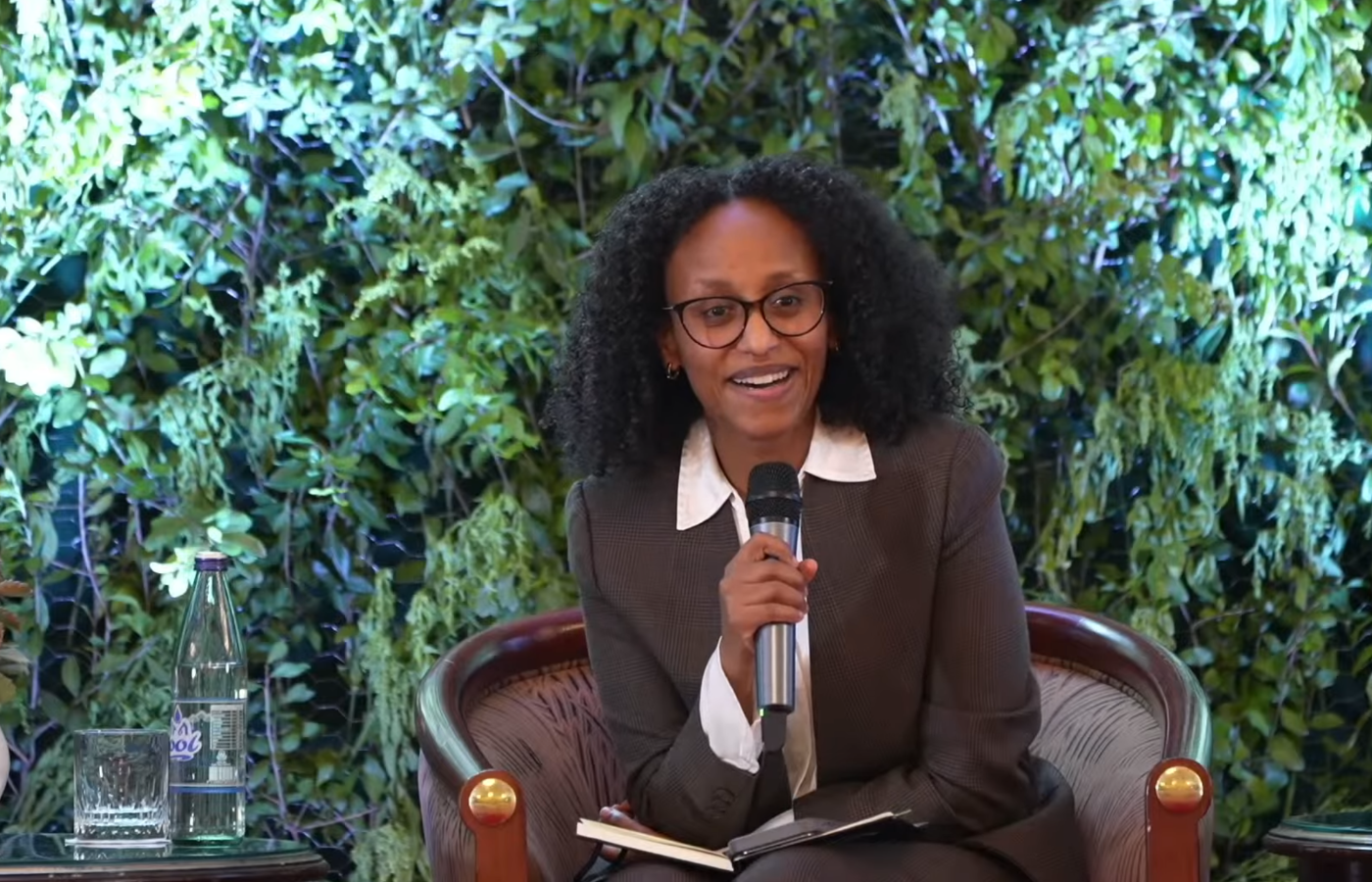
Yodit Kassa, chief operating officer at ESX, said banks and pension funds will be able to trade among themselves once approved by the Ethiopian Capital Market Authority and ESX.
“Currently, we do not have active Treasury bonds, and only the legacy five-year ‘mandatory’ bonds are in circulation,” she said during the second climate finance summit hosted by FSD Ethiopia.
Yodit added that liquidity and market depth for debt instruments are currently limited, and the new OTC platform is intended to address this gap.
Of the 25 banks that initially expressed interest, 12 have received regulatory approval, and ESX is preparing onboarding sessions for them. Tilahun Esmael (PhD) told Birrmetrics that while operational preparations on the exchange’s side are complete, some banks are not yet ready.
“We are ready to begin with the banks and pension funds that have received approval,” he said.
The initiative aims to activate Ethiopia’s largely dormant secondary debt market, offering institutional investors avenues for portfolio management and risk diversification. The National Bank of Ethiopia and the Ministry of Finance facilitated the first-ever listing of Government of Ethiopia Treasury Bills on ESX last year, establishing the framework that now supports secondary trading.
In the first quarter of the 2026 fiscal year, the Ministry of Finance raised 164.4 billion birr through T‑bill auctions, underscoring strong demand from institutional investors and the government’s growing reliance on domestic financing. Analysts say the launch of secondary trading could improve liquidity, enhance price discovery, and formalize what has so far been a largely dormant segment of Ethiopia’s capital markets.
ESX has already rolled out similar market infrastructure in the banking sector. In October 2024, months before the exchange formally opened in January 2025, it introduced a shared trading platform for banks to trade liquidity through the Interbank Money Market (IMM). Since its launch, the platform has facilitated more than two trillion birr in cumulative transactions.