GDP Not A Good Gauge of Living Standards, Well-Being, writes UNCTAD
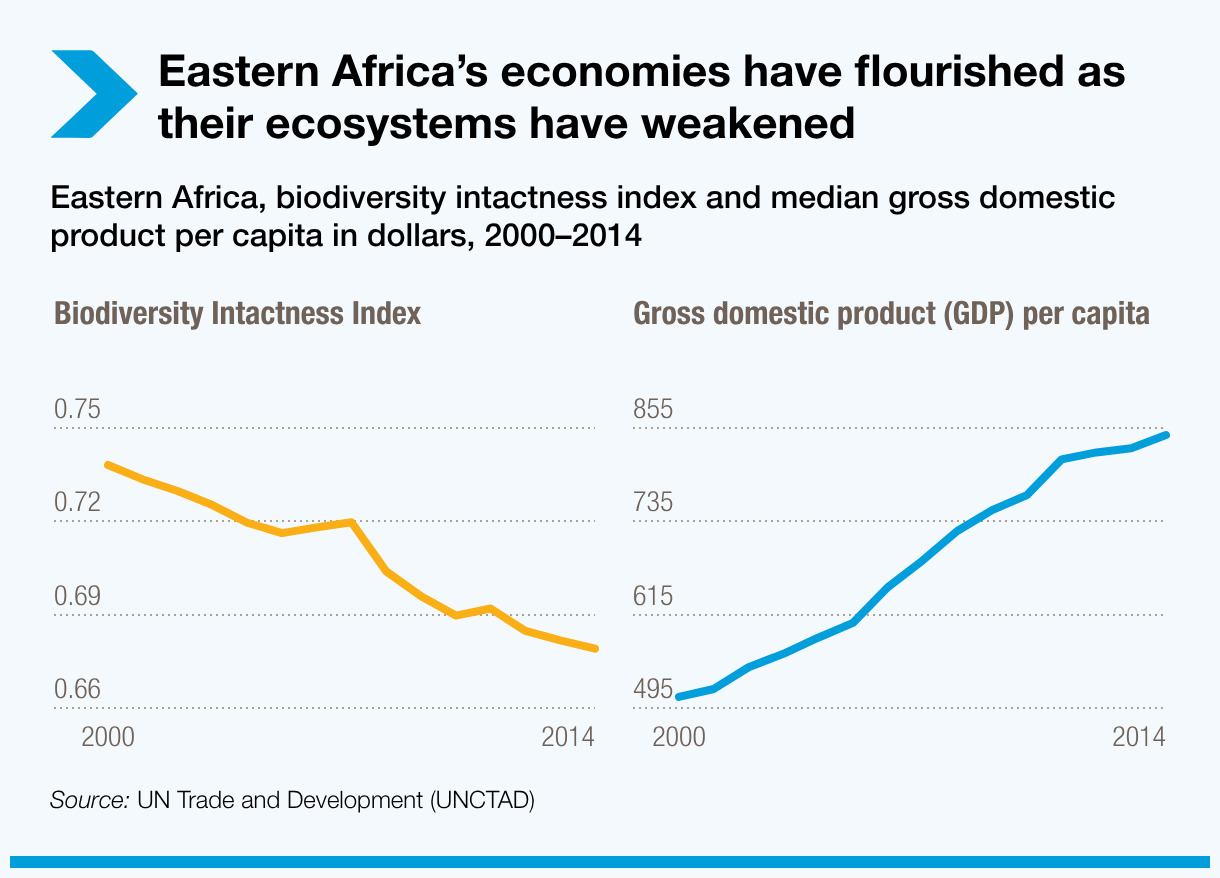

Gross domestic product (GDP) measures economic output but does not fully capture what counts – well-being, equity and sustainability. Despite decades of growth, many people feel left behind, while pressures on the planet continue to rise. This gap shows that GDP alone is not enough to measure real progress.
The report sets out a practical way forward. It presents the first global blueprint to move beyond GDP, placing people and planet at the centre of decision-making. It marks the start of a longer process to redefine how we measure progress. After all, what we measure shapes what we value.
Let’s count what matters. Let’s embrace these new metrics that complement GDP, and reveal the full picture of the challenges and opportunities our world faces at this extraordinary moment in history.
A new definition of progress
Progress should be measured by the well-being of people and planet, not just economic output. The report defines progress as equitable, inclusive and sustainable well-being, grounded in peace, human rights and respect for the planet.
It acknowledges that all progress builds on the foundational principles of peace, human rights and respect for the planet. It recognizes that:
- Well-being is collective as well as individual
- People and planet are deeply interconnected
- Cross-border spillovers matter in an interdependent world
The report gives voice to the voiceless by valuing people’s welfare, regardless of their economic output, and safeguarding the needs of future generations.
Together, these principles provide a clearer way to assess whether lives are improving and whether progress can last.
Making visible what GDP overlooks
A central message is that key dimensions of progress sit outside GDP.
GDP measures economic output, but it doesn't show if people are living well, if production and consumption are harming the planet, if opportunities are shared, or if progress can continue over time.
The framework responds by:
- Measuring well-being outcomes directly
- Tracking equity and inclusion
- Monitoring the capital that supports future well-being, including natural, human, social and institutional capital
A practical dashboard for immediate use
At the centre of the proposal is a dashboard of 31 indicators that countries can use to track progress beyond GDP.
The dashboard is designed to be practical:
- Around half of the indicators are drawn directly from the Sustainable Development Goals (SDGs), so countries can start immediately
- It is country-owned and adaptable
- It brings together economic, social and environmental measures
It also covers areas that are not captured well today, including aspects of social conditions, environmental sustainability and well-being.
Linking data to policy action
The report stresses that data should guide decisions. The dashboard is designed to inform policy, not just describe outcomes.
To support this, it calls for:
- Using indicators in planning, budgeting and policy processes
- Strengthening data systems and statistical capacity
- Producing data more regularly and consistently
Countries can start with existing data and expand over time. The report calls for stronger indicators in areas where information is still limited.
A shared effort to move beyond GDP
The report presents this as a collective, long-term effort. Progress depends on action across governments, institutions and society.
Key recommendations include:
- Governments to invest in statistics, data and innovation
- Countries to set up national progress measurement initiatives
- The United Nations to support implementation, including a global capacity development and reporting process
- The statistical community to improve methods and fill data gaps
- Civil society and others to support measurement and accountability