Kumba Iron Ore reports 2% revenue growth in spite of rail challenges
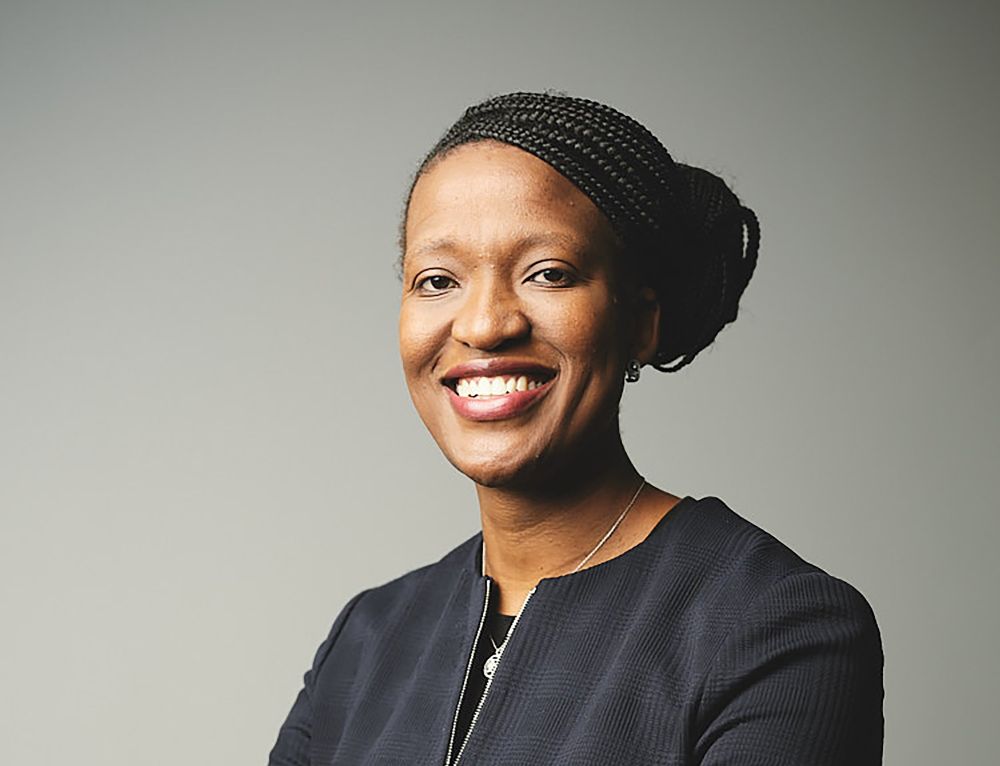

Kumba Iron Ore's revenue increased by 2% to R70.08 billion for the year to December 31 following higher prices and relatively stable ore rail operations, in spite of four train derailments, CEO Mpumi Zikalala said.
A final cash dividend of R15.43 per share brought the total 2024 cash dividend per share to R32.03, which was 17% lower than a year before. The dividend was at a 70% cash payout ratio. The share price had slipped 4.97% to R347.96 on the JSE in the afternoon.
"Kumba delivered a solid performance, marked by an improved realised price, marginal sales growth and disciplined capital allocation," she said.
She said in an online presentation an improvement in the rail performance was "encouraging," but Transnet's rail network between Sishen in the Northern Cape and Saldanha Bay still needed a great deal of work to reach previous performance levels.
The average free-on-board export price of $95 per wet ton was 12% above the benchmark. Additionally, cost savings of R673 million were achieved, bringing savings to R5.1bn since 2018. Attributable free cash flow of R12bn was lower by 17%.
"Our team's strong marketing and sales capabilities, coupled with Transnet's improved logistics performance stability, secured sales of 37 million tons (Mt). This enabled us to capitalise on iron ore market prices improving in the second half of the year," said Zikalala.
Ore railed to Saldanha Bay port improved by 6% to 37.6Mt. A 10-day annual logistics maintenance and 26-day shut to refurbish stacker reclaimer in the fourth quarter was completed within planned timeframes.
This had reflected strong collaboration between the Ore Users' Forum (OUF) and Transnet operational teams. As a result, sales increased by 2% to 37.0Mt, including third-party stock of 0.7Mt (2024: 0.7Mt).
"The overall uplift in (logistics) performance demonstrates the progress made in the past year through the Mutual Cooperation Agreement (MCA) and the Ore Corridor Restoration programme (OCR)." Closing finished stock was consistent at 7.5Mt.
She said the improvement in rail performance provided an opportunity to strategically reduce mine stockpiles to 5.7 Mt from 6.9 Mt, and increase stock at Saldanha Bay port to more optimal levels of 1.8 Mt (0.5Mt).
"We created R58bn of enduring value in 2024 that benefits all our stakeholders. We also continue to unlock value for the future through our ultra-high dense media separation (UHDMS) investment," she said.
Total tons mined increased by 5% to 208.6 Mt. While heavy seasonal rainfall impacted shovel reliability, particularly at Sishen in the first half, the ramp-up in mining activity gained momentum in the second half of 2024.
On the sales and marketing front, in the medium to long-term, Kumba would continue to target sales of between 45% to 55% to regions outside of China. China's share of Kumba's export sales increased to 56% (54%) of total sales, with Chinese steel production underpinned by strong exports.
Kumba's total production for the year increased by 1% to 36.1Mt, well within the guidance of 35–37 Mt. In line with an approach of maintaining production flexibility, lower production at Sishen was offset by an increase in production at Kolomela.
On the strength of future demand, Zikalala said the International Monetary Fund projected global gross domestic product growth of 3.3% in 2025, led by faster emerging markets growth.
Global demand for premium iron ore was being supported by productivity optimisation and the shift to low-carbon steelmaking, with the Carbon Border Adjustment Mechanism implementation in Europe and China's National Carbon Emission Trading System expansion to the domestic steel industry. Limited scrap availability would keep iron ore essential to meet rising steel needs.
In China GDP growth in 2025 was in line with its own forecasts, although fixed asset investment in infrastructure and transport weakened in the second half, erasing stable growth in the first half.
Exploration continued at Kolomela to develop the mine's life-of-asset. The mineral resource development plan was being updated.
"We continue to invest in the longevity of our assets, enabled by disciplined financial and capital management. The life of mine of both operations is 2041. At Sishen, our margin-enhancing UHDMS project is progressing and offers life extension optionality," said Zikalala.