Moody's Ratings: Prolonged disruption in the Middle East would have global credit implications

Moody’s is warning that if the current Middle East disruption drags on, credit stress will spread well beyond the region via higher and more volatile energy prices, supply‑chain bottlenecks and tighter global financial conditions. In that scenario, energy‑importing sovereigns, energy‑intensive corporates and lower‑rated borrowers with near‑term refinancing needs would see the sharpest deterioration in credit quality worldwide.
Context of the Moody’s warning
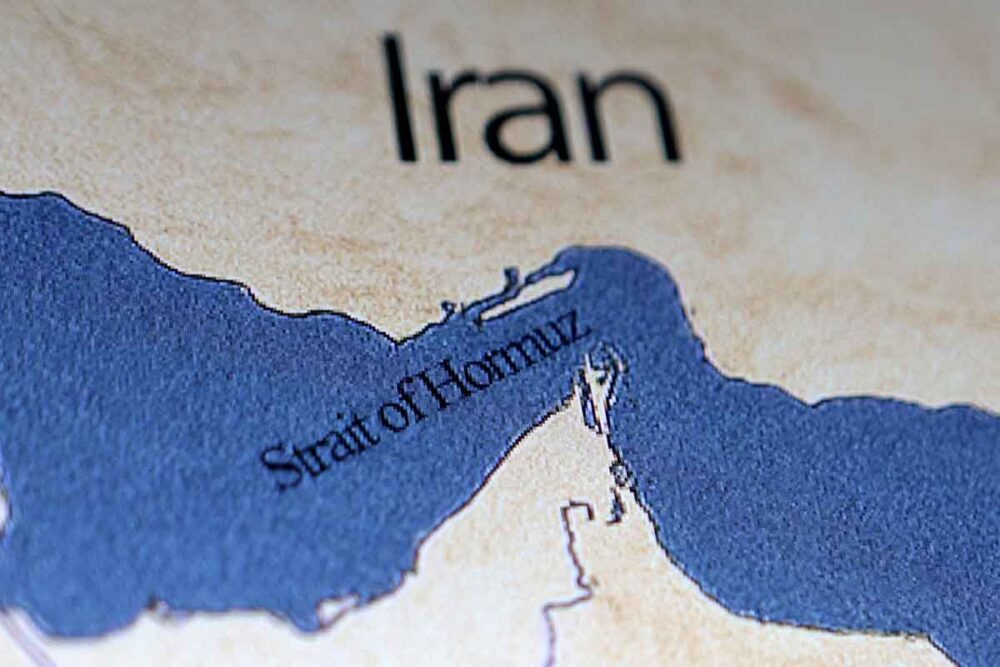
The new Moody’s Ratings report (late March 2026) looks at a scenario where conflict and shipping disruption around Iran, the Strait of Hormuz and the wider Middle East persist rather than easing quickly. It builds on earlier Moody’s work on the Iran conflict and Red Sea tensions, which already showed marine traffic slowing sharply and insurers withdrawing or repricing cover for Gulf routes.news.frontierafricareports
Main transmission channels to global credit
Moody’s highlights three main channels: sustained higher energy prices, renewed supply‑chain strain (especially via Hormuz and Red Sea routes), and tighter macro‑financial conditions (risk premia, credit spreads, funding costs). Persistently elevated oil and gas prices would keep inflation sticky, suppress real incomes and margins, and weaken external and fiscal positions in energy‑importing countries.
Disruption to key maritime choke points—particularly the Strait of Hormuz—raises shipping costs, marine insurance premia and transit times, which in turn pressure working capital and liquidity for trade‑dependent sectors. At the same time, higher geopolitical risk tends to widen credit spreads, drive capital outflows from emerging markets, and make refinancing materially harder for lower‑rated and highly leveraged issuers.arabnews
Sovereigns and regions most exposed
Within the Gulf, countries that depend almost entirely on exports through Hormuz and have limited buffers—such as Iraq and Bahrain—would face immediate fiscal and external‑balance pressure if export volumes were curtailed. By contrast, Saudi Arabia and Abu Dhabi can reroute part of their exports via pipelines and also rely on large financial assets to cushion shocks, though those routes cannot fully replace Hormuz volumes.
Outside the Middle East, hydrocarbon‑importing sovereigns in Asia‑Pacific and South Asia are singled out as particularly vulnerable because they rely heavily on Middle Eastern energy and already face weaker external buffers. MENA oil importers such as Turkiye, Egypt and Jordan would also be hit by higher energy costs, weaker tourism and tighter financing, worsening debt sustainability risks.
Sector impacts outside the region
Moody’s and other ratings commentary note that energy‑intensive and trade‑exposed sectors—airlines, chemicals, building materials, autos, general manufacturing and European retail—would see the most acute margin and liquidity pressure if disruptions persist. Aviation, logistics and tourism businesses would also suffer from airspace restrictions, rerouting, travel hesitancy and higher operating costs, especially around Gulf hubs such as Dubai and Doha.
Conversely, some energy and defense companies could benefit from higher prices and increased security spending, even as overall market volatility rises. Port operators and infrastructure issuers tied to Gulf trade flows would face lower volumes and operational risks, partly mitigated where they have diversified geographic footprints and robust project‑finance structures.
Banks, insurers and credit markets
Moody’s expects banks and large diversified insurers to be relatively insulated from first‑round effects thanks to strong capital and liquidity, especially in the Gulf Cooperation Council. However, a prolonged shock would hit them indirectly through weaker growth, falling asset prices, funding‑market volatility and stresses on more leveraged borrowers in their loan and investment books.
Globally, Moody’s notes that a drawn‑out conflict with sustained energy disruption would likely raise corporate default rates, particularly among low‑rated issuers facing imminent maturities or floating‑rate debt as spreads widen and risk aversion increases. In short, the longer the disruption lasts, the broader and more systemic the credit stress becomes, extending well beyond the Middle East into Europe, Asia‑Pacific and emerging markets worldwide.bfsi.economictimes.